Working with Landowners, House Builders and Developers

Optimising Affordable Housing Schemes to Maximise their Value

Landspeed has a proven track record of working with all parties to ensure that their respective affordable housing obligations are optimised and attributable value maximised. This is most regularly achieved by providing specific advice to house builders, developers and landowners while Section 106 affordable housing obligations are being negotiated, enabling the ability to influence:

  • Affordable mix, house-types, sizing and plotting;
  • More viable tenure splits;
  • Issues of integration.

A case study on how Landspeed optimised both the developer’s return and the affordability of a scheme in Kent can be found here.

The earlier we can become involved in a scheme’s design then the greater the likelihood we can deliver a more viable and beneficial outcome.
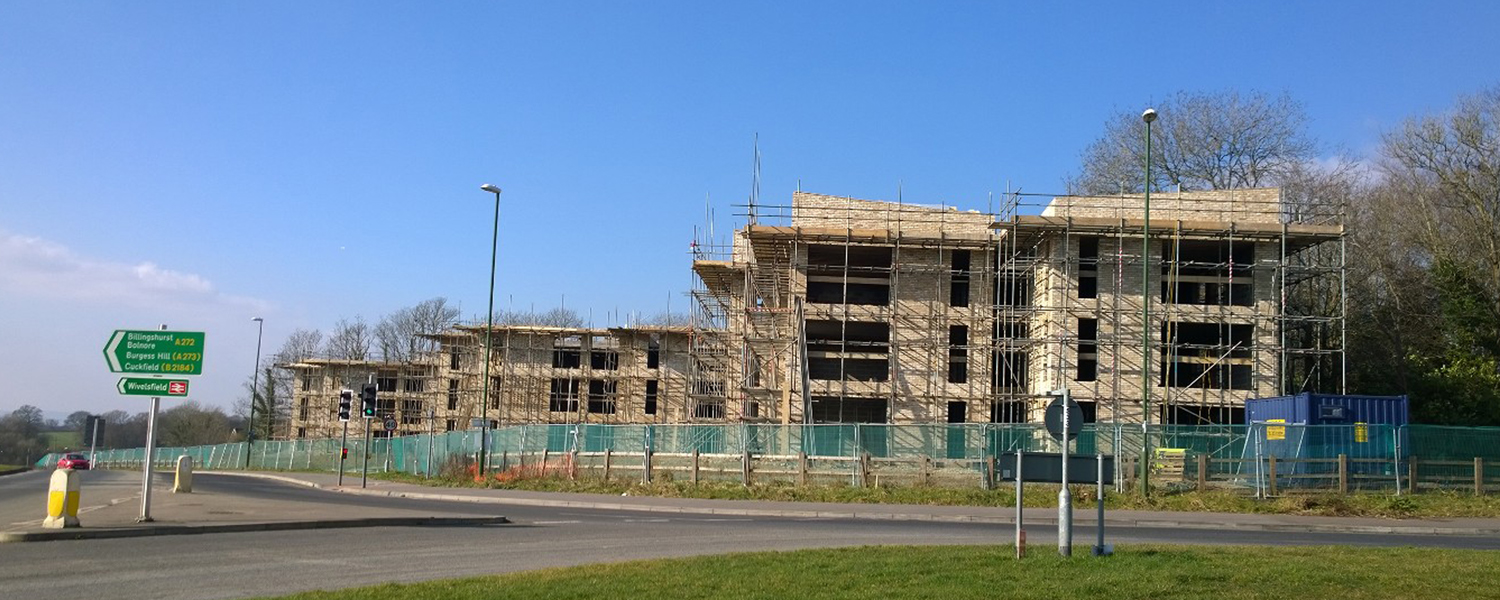
Landspeed also provides specific wording for Section 106 Deeds (and fully supports the submission of unilateral undertakings) to ensure that the need for future Deeds of Variation is eliminated – thereby safeguarding schemes from being compromised by associated delays and costs.

Where a Section 106 has already been entered into, then there may be grounds under which Landspeed is able to secure a Deed of Variation to address potential shortcomings. 

Landspeed also undertakes viability assessments to support the final outcome on affordable housing negotiations. 

As well as being able to acquire both Intermediate and Affordable Rented tenures in our own right, Landspeed is also able to act on behalf of house builders, developers and landowners to secure offers from – and negotiate the sale of – affordable housing to Registered Providers. We can also deliver Intermediate units from single units upwards.

Individually or collectively, by applying these disciplines, Landspeed aims to simplify the process for developers and landowners while enhancing the overall value of their respective schemes